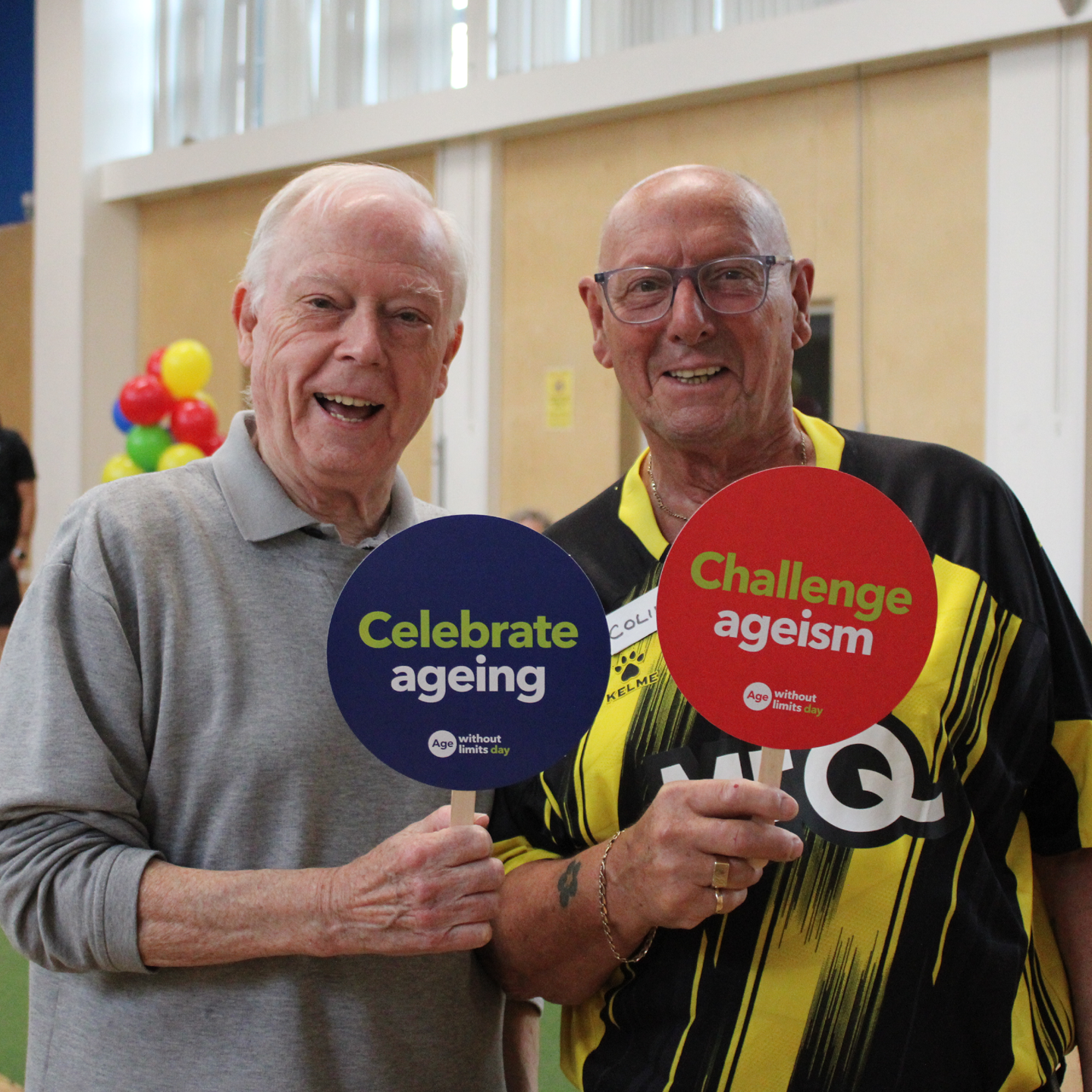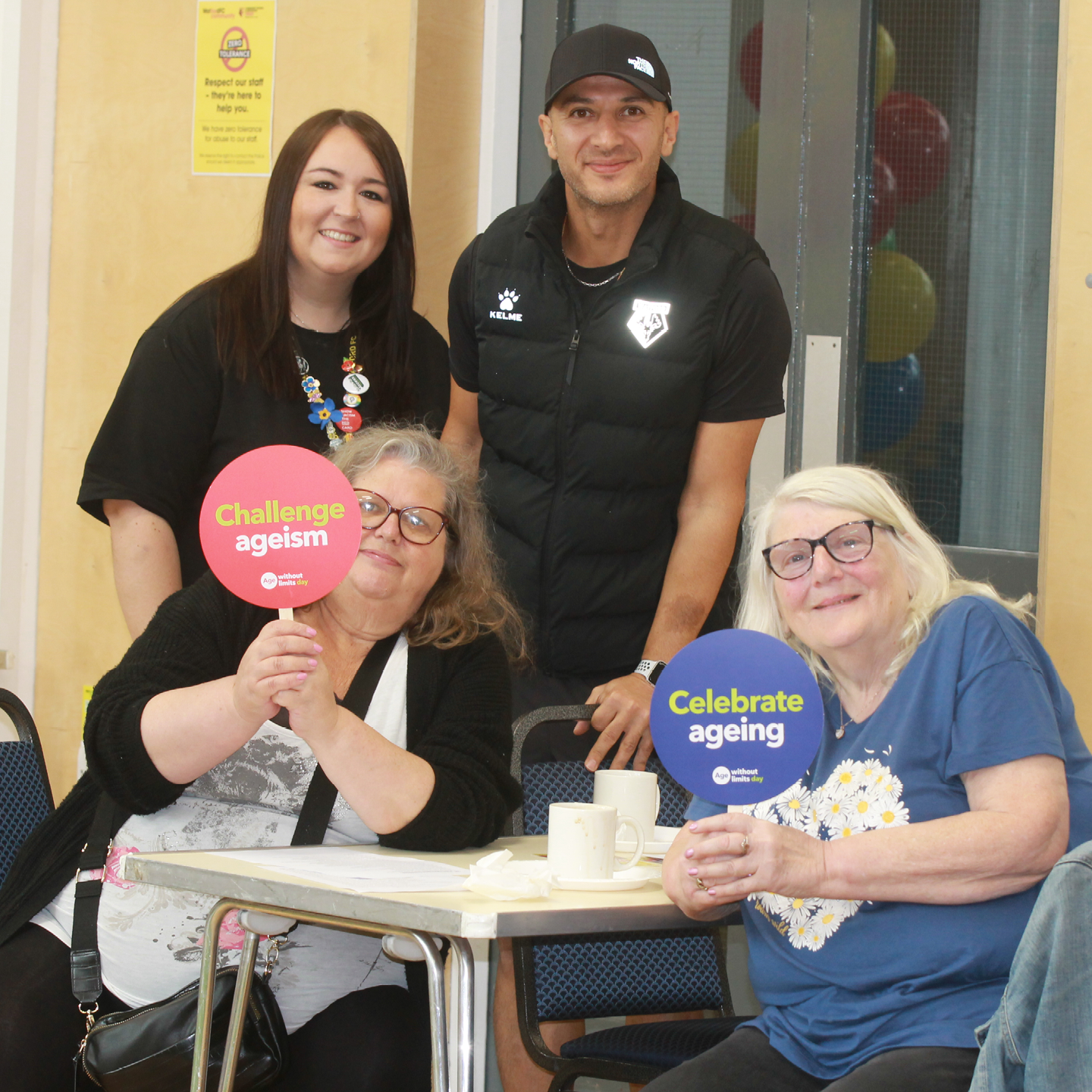


Today, Wednesday 11th June, is Age Without Limits Day – a day to come together and take action to end ageism – as individuals, with friends and family, in our communities, and in our workplaces. Encouraging people to celebrate ageing and challenge the negative stereotypes and biases that limit us all.
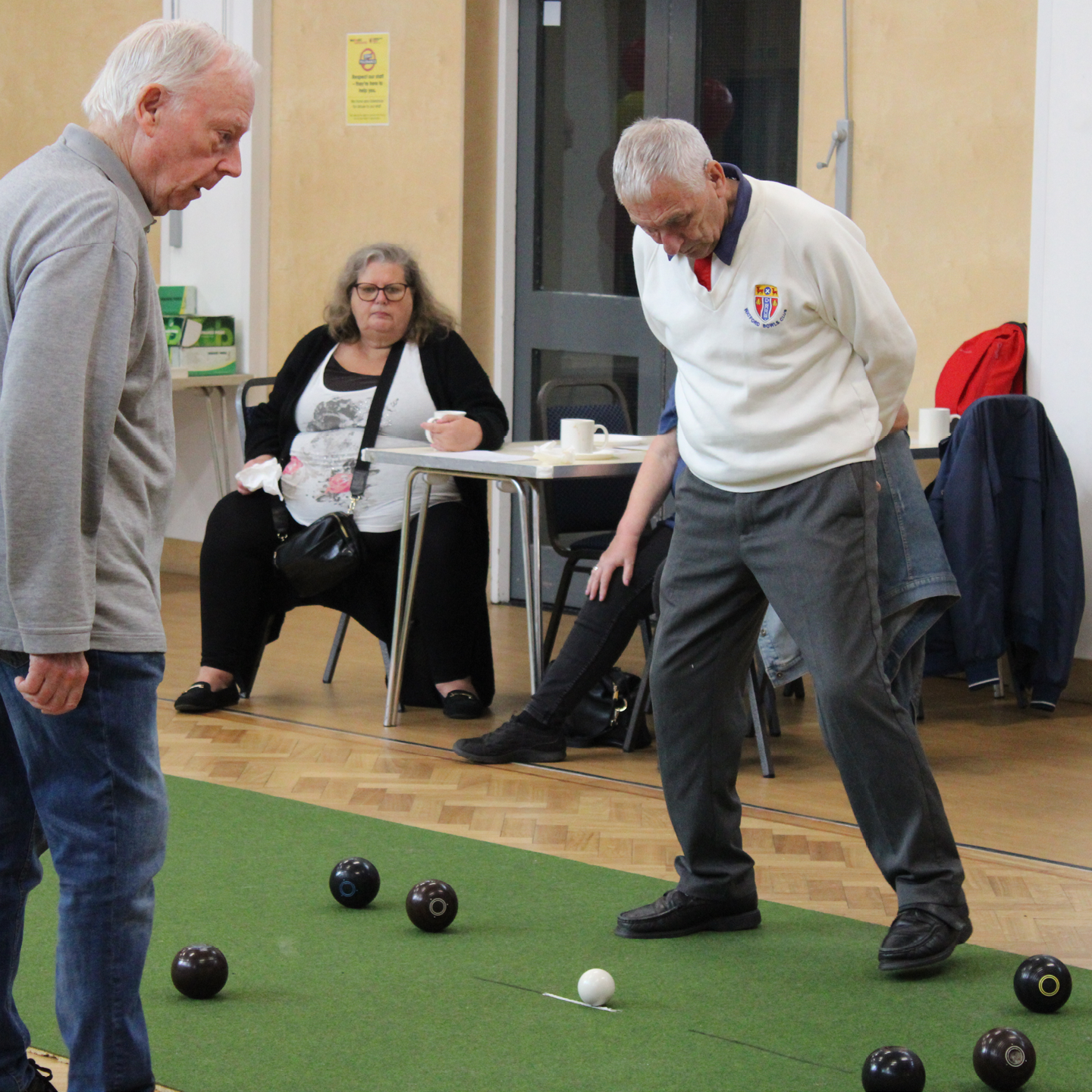
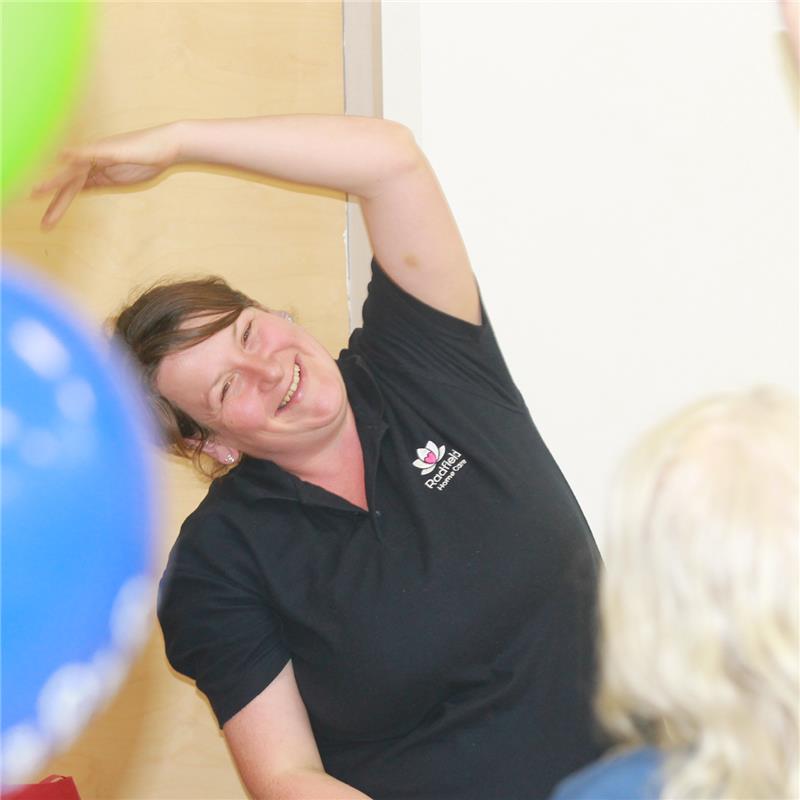
Watford FC’s Community Sports and Education Trust teamed up with Age Without Limits to host an event at Meriden Community Centre. The event was a continuation of their existing older adults project Extra-Time, with the morning consisting of activities such as Carpet Bowls, Chair-based exercises, and simply a place to have a chat with friends. The room at the Trust’s community hub in North Watford was full of positivity and smiles.
Councillor Sam Summer also joined in the fun and said of the event:
“Age is just a number. Every day is an opportunity to challenge yourself and celebrate the strength that comes with experience. We’re grateful that Watford FC CSE Trust organises weekly sessions and events like today for adults. This also tackles loneliness and helps improve their physical strength.”
Moreover, the following reflections were from attendees on the day:
“Today has been lovely. It made me think that I would love to do more exercise. Having the table of refreshments was great too, it made me choose the healthier options because I had just done the seated exercise. It’s nice to celebrate getting older instead of seeing it as a negative thing.”
“I often find people speak to me differently now that I’ve gotten older, and I find it frustrating. Thank you for celebrating ageing. It was great to join in on the other activities today, it’s made me realise I can still get involved in new things.”
“Just excellent, what a lovely morning! We were able to try out new activities I wouldn’t usually get involved in. It would be good to do more events like this; the group all seemed to really enjoy the morning.”
Age Without Limits conducted a research project, Effects of Ageism, in which they asked over 1000 people who’ve experienced negative treatment since turning 50, exactly how that has impacted their lives. The findings were:
- 60% of people spoken to have experienced ageism from others since turning 50. Almost half of those tell us they experience it at least monthly, with a quarter experiencing it weekly.
- More than half of the people over 50 have faced the assumption that they can’t do something because of their age.
- It happens to people in employment (37%), as a consumer (34%), in health and social care settings (27%), and in social or leisure settings (24%). But friends (10%) and family (15%) are also sources of negative treatment.
So what can we do about it? The team at Age Without Limits have a host of useful tips, resources, and further information on their website www.agewithoutlimits.org. The types of ageism and how it can be dealt with has been summarised below:
- Everyday Ageism
- What it is: Ageism is deeply embedded in daily life — through comments, assumptions, and media portrayals — but often goes unnoticed.
- How to deal with it:
- Notice it: Pay attention to language, assumptions, and stereotypes (e.g., “too old for that”).
- Challenge it: Talk openly about ageism, avoid negative stereotypes, and advocate for realistic, diverse portrayals of ageing.
- Top tip: Use social media (e.g., #AgeWithoutLimits) to raise awareness and counter ageist assumptions.
- Ageism in Communities
- What it is: Ageism affects how people are included or excluded in social and community spaces.
- How to deal with it:
- Notice it: Identify age-based assumptions and check if facilities and events are welcoming to all ages.
- Challenge it: Start local conversations, host intergenerational events, and celebrate the contributions of older people.
- Top tip: Avoid patronising language, even if well-meaning (e.g., “still going strong”).
- Ageism in the Workplace
- What it is: Age is the most common form of workplace discrimination, often affecting inclusion, performance perception, and opportunities.
- How to deal with it:
- Notice it: Watch for stereotypes, exclusion from social events, and subtle shifts in treatment due to age.
- Challenge it: Advocate for inclusive policies, mentorship programs, and age-friendly practices; encourage employers to join initiatives like the Age-friendly Employer Pledge.
- Top tip: Promote skill-sharing and value diverse perspectives to boost innovation and productivity.
To find out more about Age Without Limits, visit their website www.agewithoutlimits.org, or to find out more about the Trust, visit www.watfordfccsetrust.com . If you or someone you know would like to get involved in the Trust’s older adults activities, please contact the Trust’s Health & Wellbeing Project Manager (Older Adults), Shona McHale, by emailing shona.mchale@watfordfc.com.